
I encourage you to have your Bible open as you read this article.
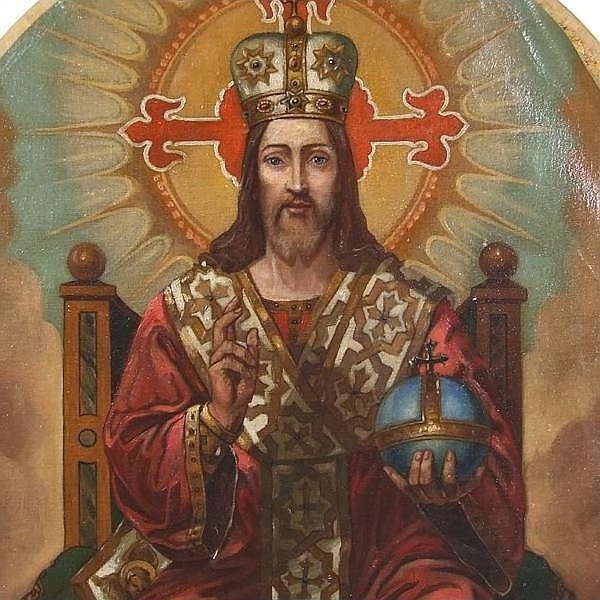
Psalm 2 is the first messianic psalm. Most immediately, the LORD’S Anointed (Messiah in Hebrew) is the human king of Zion—a synecdoche for the people of Israel. Ultimately, however, the psalm is about Christ, as all the Psalms speak about Him (Luke 24:44), and Zion also serves as a symbol of God’s presence and salvation. The psalm expresses God’s sovereignty over the nations (Law) and His plan of salvation through His Messiah (Gospel).
In verses 1-3, the Law conveys the futility of the wicked conspiracy of the nations against God and His Anointed, be it His human king in Zion or His Christ. They reject God’s authority and seek to break free from His commands. Simply think of current events and you immediately know what the psalmist is talking about.
But their rebellion is feckless. In verses 4-6, the Gospel is conveyed in a unique way. God laughs at the nations’ futile efforts. Humans rebelling against God is like a group of worms rebelling against a human—it is utterly pointless and, indeed, laughable. Their rebellion is futile because God has established His King—His Anointed—in Zion, that is, in His presence and His plan of salvation. This Zion is Jesus, whose name is Immanuel (Matthew 1:23; cf. Isaiah 7:14; 8:8, 10). The nations can rage all they want against God and His Christ; the Gospel of His salvation shall always reign.
In verses 7-9, the Gospel is further emphasised. It is shown in God’s decree that Christ is His Son (cf. Matthew 3:17), and He will give Him the inheritance of the nations. This is fulfilled in Christ’s own words, “All authority in Heaven and on Earth has been given to Me” (Matthew 28:18). Christ is given authority to have victory over the nations, overcoming them as easy as it is to shatter pottery.
At first, this sounds like Law, but given the way Christ shows His power and victory over the nations in His resurrection, this is Gospel, for He rose from the dead not for Himself but for His people—for you and me. Despite the nations’ rebellion against Him—even from His own people—Christ rose from the dead, which was as easy for Him as it is to break pottery.
Lastly, in verses 10-12, we receive a mix of Law and Gospel. As Law, the psalmist exhorts the kings and rulers of the Earth to be wise by serving the LORD with fear and trembling, which means they ought to worship Him with reverence and joy. This is a rather odd description. How can these two emotions—fear and joy—exist simultaneously? I am not sure words on a page can do it justice, but simply a state the Christian knows when worshipping the Lord. Nevertheless, I will do my best to explain from my own worship experience.
Other places can be selected to describe this seemingly contradiction of emotions, but for me, two places in Divine Service III come to mind. The first is the Gloria in Excelsis. The pastor leads us with “Glory be to God on high,” and we all join in, “and on earth peace, goodwill toward men. / We praise Thee, we bless Thee, we worship Thee, / we glorify Thee, we give thanks to Thee, for Thy great glory. / O Lord God, heav’nly King, God the Father Almighty.”
This is where I begin to experience fear; for, just as I confessed prior to the Service of the Word, “I, a poor, miserable sinner, confess unto You all my sins and iniquities with which I have ever offended You and justly deserved Your temporal and eternal punishment” (LSB p. 184). God is Almighty, meaning He is all-powerful. What power do I have against Him? None. His glory is so holy that simply standing in His presence would kill me. That is absolutely terrifying.
But we continue, “O Lord, the only-begotten Son, Jesus Christ; / O Lord God, Lamb of God, Son of the Father, / that takest away the sin of the world, have mercy upon us. / Thou that takest away the sin of the world, receive our prayer. / Thou that sittest at the right hand of God the Father, have mercy upon us.”
God has all power to destroy, but He also has all power to save, and that is exactly what He has chosen to do through His only-begotten Son, Jesus Christ. What a joyous occasion! I am a beggar before the King of the universe—a terrifying thing—beseeching Him to show me mercy, and He does. Indeed, He showed mercy just prior to the Service of the Word when I finished my confession, “But I am heartily sorry for them and sincerely repent of them, and I pray You of Your boundless mercy and for the sake of the holy, innocent, bitter sufferings and death of Your beloved Son, Jesus Christ, to be gracious and merciful to me, a poor, sinful being.”
And Christ speaks through His called pastor, “Upon this your confession, I, by virtue of my office, as a called and ordained servant of the Word, announce the grace of God unto all of you, and in the stead and by the command of my Lord Jesus Christ I forgive you all your sins in the name of the Father and of the Son and of the Holy Spirit” (LSB pp. 184-185). And I answer, “Amen,” which means, “Yes, yes, it shall be so.” My sins are forgiven—Christ has taken them away. A joyous occasion, indeed!
The second place is the Offertory. We sing Psalm 51, “Create in me a clean heart, O God, / and renew a right spirit within me. / Cast me not away from Thy presence, / and take not Thy Holy Spirit from me.” This instills fear in me because the Lord casting me away from His presence and taking His Holy Spirit from me is the most terrifying thing I can imagine. But I need not worry, for joy soon follows as we continue, “Restore unto me the joy of Thy salvation, / and uphold me with Thy free spirit. / Amen.” How do I know the Lord will restore the joy of His salvation to me? Because immediately following, after the Prayers of the Church, is the Sacrament of the Altar—Christ the King gives me His body and blood for the forgiveness of my sins, life, and salvation! Christ gives me Himself, who is never separate from the Holy Spirit.
Returning to Psalm 2, the psalmist exhorts the kings and rulers to kiss the Son, meaning to pay homage to Him as they would a king—to the King of the universe, to submit to Him and honour Him. It doesn’t matter if you’re the president, king, or queen of a nation or an average citizen; Christ is owed all homage. If they pay homage to Him, they are promised blessing if they trust in Him (Gospel) but threatened with destruction if they provoke Him to anger (Law).
Christ is King. He rules with power over the nations to destroy (Law) and power to save as He has promised (Gospel). Any plan from the nations to resist Him is pointless. It would behoove us to submit to the King of the universe and trust in Him. We can trust Him because it was easy for Him to rise from the dead—as easy as dashing Death against the wall and shattering it like a jar of clay. He will use this power to raise us from the dead as well, which will be just as easy for Him.
 The Lutheran Column
To my mind “FEAR” is best explained in this Wikipedia comment:
The word “fear” in the context of fearing God is derived from the Hebrew word “yirah,” which translates to “awe” or “reverence.” This implies that “God- fearing” means having a deep respect and honor for God rather than being scared of Him.Dec 25, 2023
https://www.christianpure.com › learn
What Does It Mean To Fear God? The Biblical Definition With Examples
Certainly, this confirms to Luther’s “Explanations”.
sas
LikeLike