
Two passages stand in seeming contradiction to each other: “Why do You stand afar off, O LORD? Why do You hide in times of trouble?” (Psalm 10:1). And, ” ‘Am I a God near at hand,’ says the LORD, ‘and not a God afar off? Can anyone hide himself in secret places, so I shall not see him?’ says the LORD; ‘Do I not fill Heaven and Earth?’ says the LORD” (Jeremiah 23:23-24).
The psalm speaks from the depth of despair, perceiving God as distant and hidden, yet He is paradoxically near enough to be “the helper of the fatherless” and to “break the arm of the wicked” (Psalm 10:14-15). Similarly, the prophet thunders with the assurance that God is everywhere present, near at hand, and sovereign over all things, yet He is also afar off. Both are true of Him. As is so often the case of Scripture, the truth doesn’t lie in softening one to fit the other but in holding them together in their paradox.
This paradox is not a problem to solve but a mystery to confess. We live between the cry of the psalmist and the declaration of the prophet. We believe in the God who is infinitely near, yet we sometimes feel as though He has withdrawn. We worship the God who is enthroned above the heavens, holy and unapproachable, and yet we also confess He is closer to us than our own breath.
The Cry of Psalm 10: The Felt Absence of God
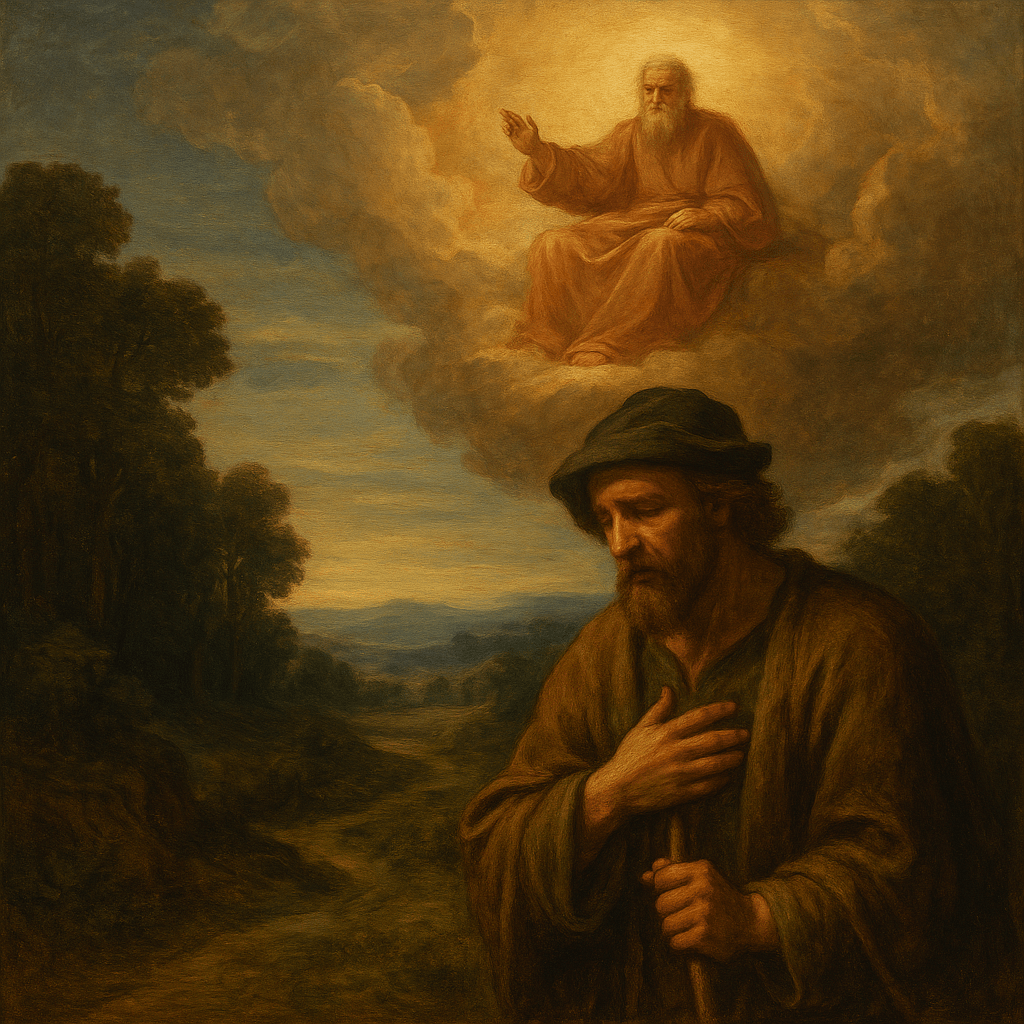
Psalm 10 gives voice to an experience familiar to every believer: the sense that God is far away in the very moment when we most desperately need Him. The psalmist is not expressing atheism or doubt in God’s existence; he’s speaking out of faith. Only faith can address God in such complaint. The lament assumes God’s reality and His covenant care. It’s because God has promised to be present that His apparent absence feels so bitter.
The language of “standing afar off” and “hiding” is deeply personal. It’s not an abstract problem about divine omnipresence; it’s the lived experience of suffering without visible intervention. The psalmist looks at the injustice, oppression, and violence of the world he lives in and he feels abandoned. In pastoral care, I often encounter people who echo this cry because they long for Him to act according to His promises, not because they’ve stopped believing in Him.
Luther wrote of Deus absconditus—the “hidden God.” This is the God who, for reasons hidden from us, sometimes conceals His work behind the mask of what appears to be absence or even contradiction. For Luther, this was not meant to drive us away from God but to compel us to seek Him where He has promised to be found—in His external Word and Sacraments, not in our emotions or circumstances (called enthusiasm, i.e., “God-withinism”). The hiddenness of God drives us back to His revealed Word, where we learn again to walk by faith and not by sight (2 Corinthians 5:7).
Thus, Psalm 10 is not an accusation of disbelief but an act of trust in disguise. The psalmist still calls him “O LORD”—he still addresses God directly and believes the God who seems far is the only hope for deliverance. Faith lives in this tension, acknowledging how God feels far while refusing to let go of His promises.
The Nearness of God: Jeremiah’s Comfort and Warning
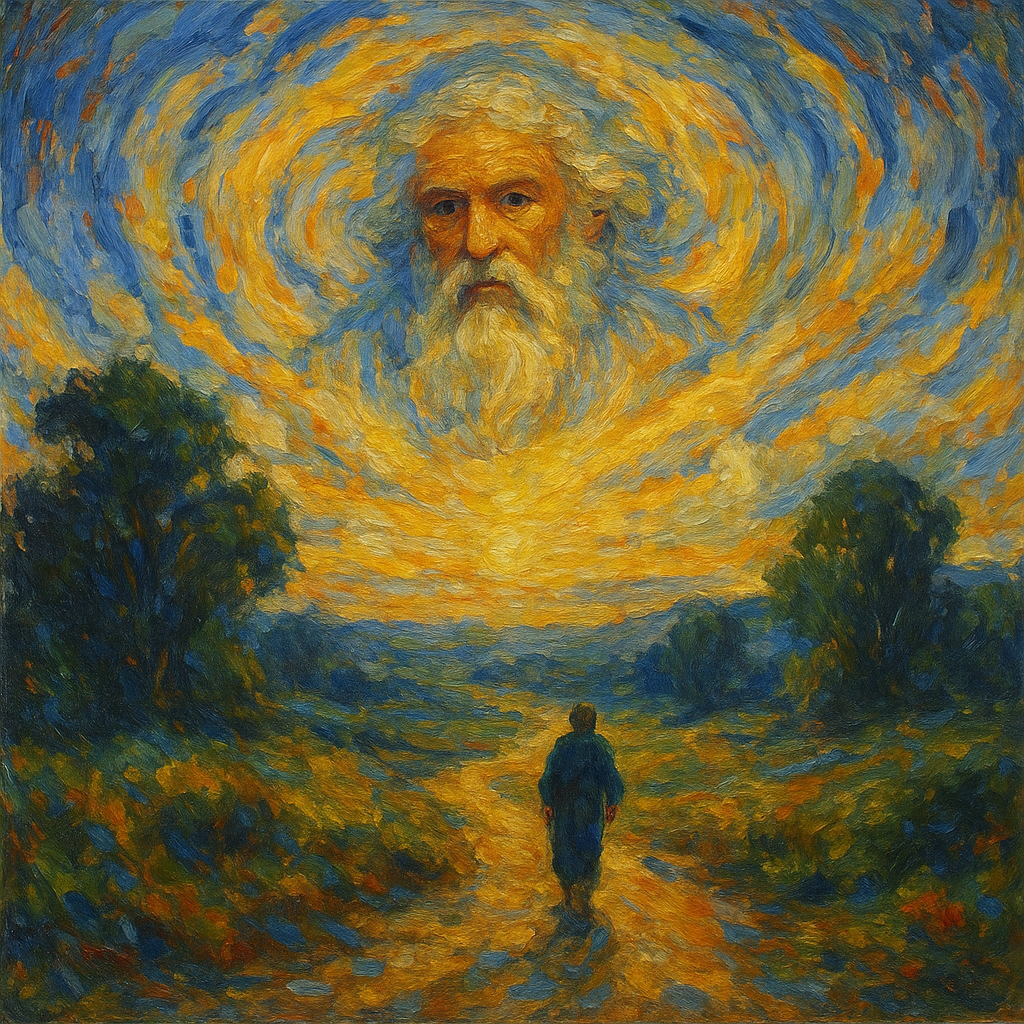
Jeremiah’s words come in the context of rebuking false prophets who imagined they could speak lies and lead God’s people astray without being noticed. The Lord’s rhetorical questions pierce that presumption: “Am I a God near at hand and not a God afar off? Can anyone hide himself in secret places, so I shall not see him?” The point is unmistakable: God’s presence fills the world—not in the sense of pantheism but rather His omnipresence and omniscience. There is no place, thought, or deed hidden from Him.
For the Christian, this truth can be convicting but also profoundly comforting. It means in every moment of life, God is present and active. He’s not a distant deity who winds up the universe like a watchmaker and then retreats into aloofness. His nearness is a sustaining nearness—He upholds all things by His Word of power (Hebrews 1:3). The same God who rules the stars as their Master also numbers the hairs on your head as a loving Father (Luke 12:7).
Yet Jeremiah’s words are also meant to warn. God’s nearness is not merely sentimental; it is holy. It exposes the darkness of human hearts, revealing every hidden thought and motive. This is why Jeremiah’s audience—particularly the false prophets of Israel—should tremble. God’s presence is never passive; it is always active, either to save or to judge.
Again, this is not pantheistic but omnipresence. God is not contained by creation, yet He fills it entirely. He is nearer to His creatures than they are to themselves, yet He remains distinct from creation as its Lord. This is what the Catechism points to when it says God “defends me against all danger and guards and protects me from all evil” (SC II, The First Article). His nearness is not just spatial but also relational, covenantal, and personal.
The God Who Is Afar Off: Holiness and Transcendence
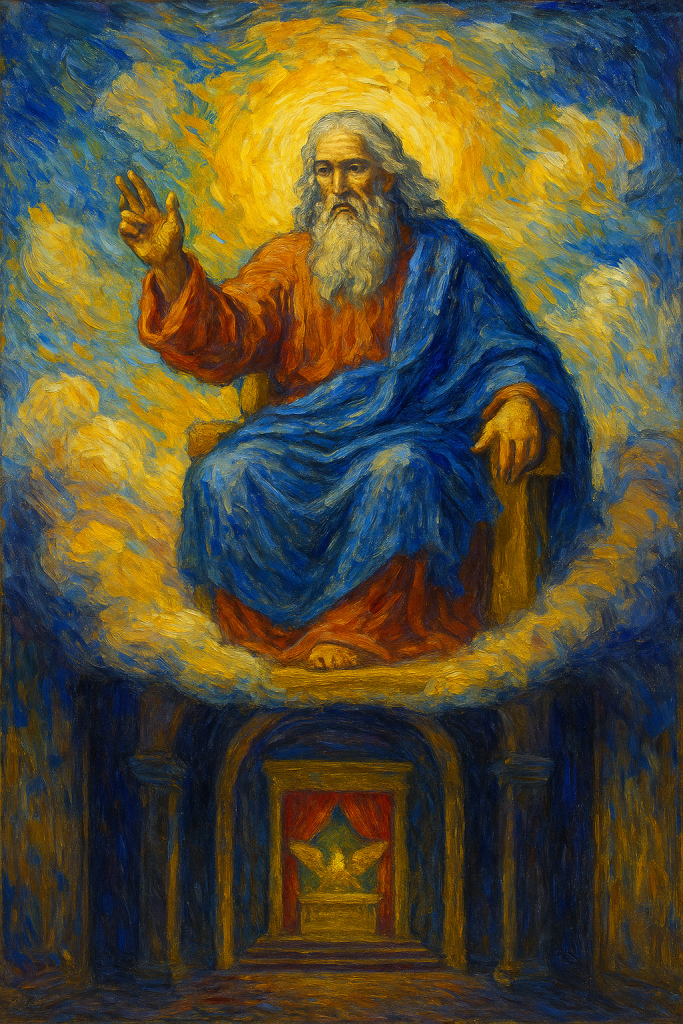
Jeremiah’s statement that God is “afar off” does not contradict His nearness. Rather, it affirms His transcendence. God is not merely another part of creation; He is wholly other. He dwells “in unapproachable light” (1 Timothy 6:16), beyond the grasp of human reason. His holiness sets Him apart from all that is common or unclean.
In the Old Testament, this transcendence was embodied in the temple’s Holy of Holies. God’s manifest presence was there above the mercy seat, yet it was veiled and inaccessible to all but the high priest, and even he could enter only once a year, and only with the blood of a sacrifice, lest he die. Hence the following psalm’s confession, “The LORD is in His holy temple [thus near], the LORD’s throne is in Heaven [thus afar off]” (Psalm 11:3). The veil testified both to God’s desire to dwell among His people and to His separateness from them in His holiness.
This distance is not about physical space; it’s about moral and ontological difference. God is Creator; we are creatures. He is righteous; we are sinners. Without mediation, His holiness would consume us. “For You are not a God who takes pleasure in wickedness, nor shall evil dwell with You” (Psalm 5:4). The same presence that is life and joy for the redeemed is destruction for the unbelieving and unrepentant. Thus, God is both near (because He fills all things) and afar off (because His nature is beyond our approach).
This is why Scripture often speaks of God as “enthroned in the heavens” (Psalm 123:1) while also affirming “He is not far from each one of us” (Acts 17:27). The two truths do not cancel each other out; they define the way in which we know God. He is both the King above all kings and the Shepherd who guides His flock and knows each of His sheep by name.
Holding the Paradox in Christ
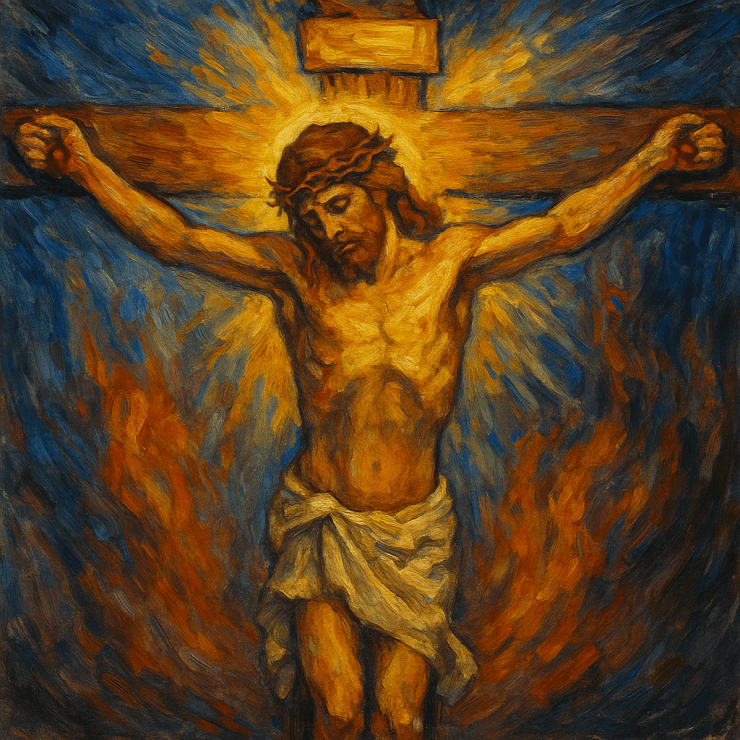
The paradox of nearness and farness is brought into sharpest focus in the Incarnation. In Jesus Christ, the God who is high and lifted up draws near in our own flesh. The eternal Word becomes flesh and dwells among us (John 1:14). The One who fills Heaven and Earth now takes on the limitations of a true human body.
Yet even here, the paradox persists. Jesus is Immanuel (“God with us”), yet His divine glory remains veiled except in fleeting moments, as at the Transfiguration. He walks among sinners, yet He is without sin. He draws near to the brokenhearted, yet He remains the eternal Son who shares in the Father’s divine majesty (for both are God).
On the cross, the paradox reaches its most profound depth. Jesus cries, “My God, My God, why have You forsaken Me?” (Matthew 27:46). Here is the felt absence of God at its most acute moment, yet here also is the truest nearness, for God Himself is in Christ reconciling the world to Himself (2 Corinthians 5:19). In the very moment when the Son experiences the full weight of divine judgement, He is accomplishing the work that draws us into the Father’s presence forever.
Through Christ, the God who is afar off in holiness has drawn near in mercy. The veil is torn (Matthew 27:51). We now have boldness to enter the Most Holy Place by the blood of Jesus (Hebrews 10:19). And yet, even in glory, we will never cease to bow before the majesty of the One who is both near and far—both Friend and Lord.
Living in the Tension

For the Christian, this paradox is not a puzzle to solve; it’s the shape of daily faith. There will be days when God feels far away—when prayers seem unanswered, when suffering presses in, and when injustice seems unchecked. In those moments, Psalm 10 gives us permission to speak honestly to God about our sense of His absence.
There will also be days when His nearness is undeniable—when His providence is evident, when His Word speaks directly to our ears, and when His grace floods our hearts and stomachs in Word and Sacrament. In those moments, Jeremiah’s words remind us that God’s nearness is no accident but the ongoing reality of His covenant care.
Holding the paradox in its tension means refusing to domesticate God into either a distant ruler or a casual companion, or a therapist who makes you feel better about yourself every now and then (i.e., Moralistic Therapeutic Deism). He is both the sovereign Lord who dwells in Heaven and the merciful Redeemer who dwells with the contrite in heart. He is not far from us, yet He remains the Holy One before whom we fall in worship.
In the end, the tension teaches us to live by promise rather than perception. We cling to the Christ who bridges the chasm between Heaven and Earth, trusting that even when God feels far, He is near in His Word, His Spirit, and His Sacraments. And when we finally feel He is near, we remember His majesty still calls us to reverent awe. Both are true, both are needed, and both lead us deeper into the beautiful mystery of the God who is both near at hand and afar off in His glory.
 The Lutheran Column