
In times of political unrest and cultural confusion, many look to presidents (and other leaders) for answers that only wisdom can provide. But wisdom does not originate in the hearts of men or the halls of power. It comes from God. Scripture doesn’t offer a manual on policy; it gives something far greater: divine instruction for governing the hearts and actions of rulers. The Book of Proverbs—penned by Solomon, at one time the wisest king of Israel—contains not only counsel for individual conduct but also enduring truths for leaders of nations, inspired by the Holy Spirit (2 Timothy 3:16). A president, therefore, must become a son of Solomon, humbling himself before the wisdom of God and learning to rule under Heaven’s authority (many times, Solomon writes “my son” in his proverbs, e.g., 1:8).
Though the American government is not a theocracy, and although the office of president is not identical to the biblical monarchs, the principles of righteous governance remain immutable because human nature and divine truth do not evolve. Proverbs speaks to the temptations of power, the responsibilities of justice, and the dignity of leadership. Every president who would rule well must take Proverbs (and all of Scripture) seriously—not as a symbolic nod to the freedom of religion or sycophancy to one’s constituents, but as a living fountain of divine wisdom. He or she must fear the Lord, govern with justice, surround themselves with the upright, and remember they will ultimately answer not to voters or historians but to Christ the King.
To be a student of Proverbs is to admit that human wisdom is not insufficient. “The heart is deceitful above all things, and desperately wicked; who can know it?” (Jeremiah 17:9). Even the most intelligent minds are prone to pride and self-delusion. The wisdom of Solomon granted by God (1 Kings 4:29-34) cuts through the fog. It offers correction, rebuke, instruction, and encouragement. A president who would truly lead must begin not with ambition but with humility—sitting as a pupil beneath the wisdom of the Spirit-breathed Scriptures.
The Fear of the Lord
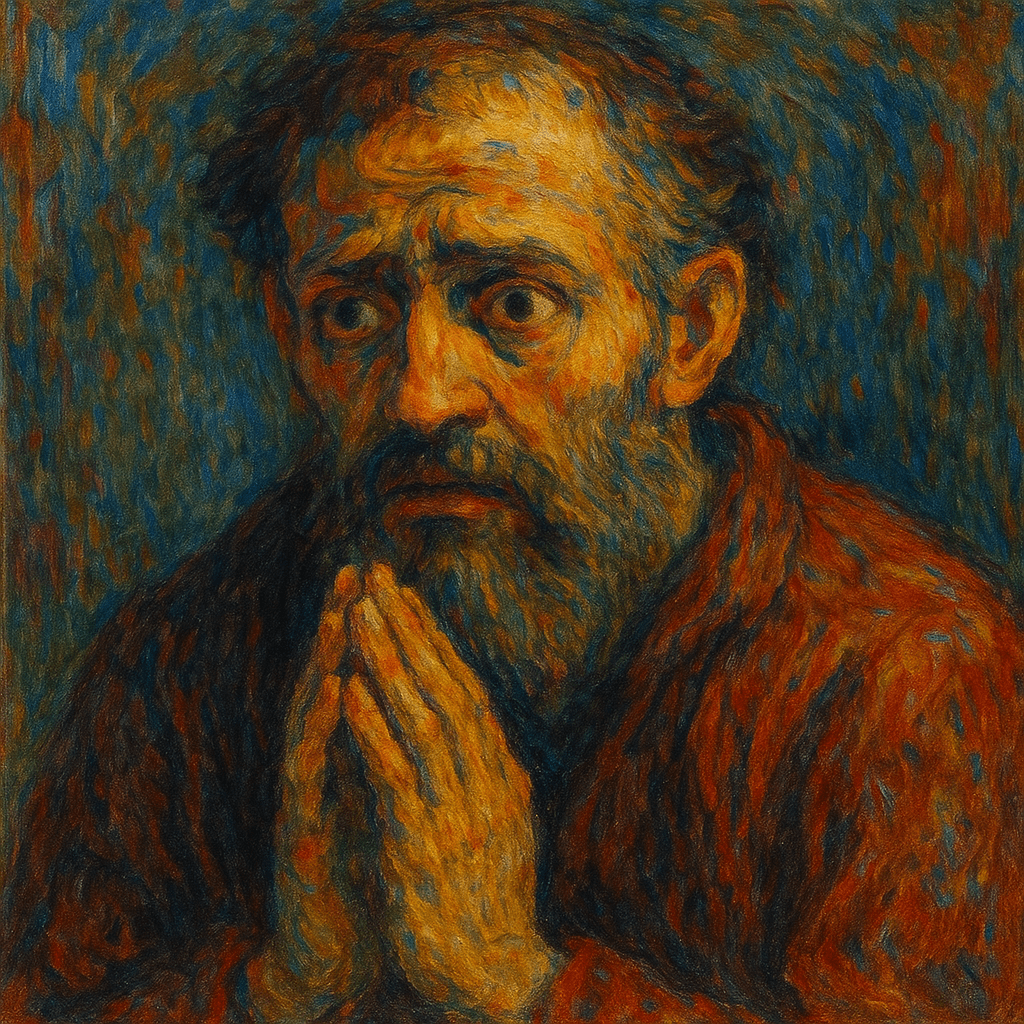
Every ruler must begin where wisdom begins: “The fear of the LORD is the beginning of wisdom, and the knowledge of the Holy One is understanding” (Proverbs 9:10). This is no trite religious phrase. It’s the wellspring of righteous leadership. A man may possess eloquence, charisma, or political instinct, but if he lacks the fear of God, he’s a fool in the eyes of Heaven. Only the man who bows before God’s authority can be trusted to wield authority over others. Presidents are not exempt from this truth—they’re bound by it even more tightly because their decisions ripple through millions of lives.
Martin Luther explains the 1st Commandment (“You shall have no other gods”) simply in the Small Catechism: “We should fear, love, and trust in God above all things.” What is a god? “A god means that from which we are to expect all good and in which we are to take refuge in all distress. So, to have a God is nothing other than trusting and believing Him with the heart” (LC I, 2). If a president fears economic failure more than divine judgement, loves public opinion more than God’s Law, and trusts in his political party’s policies more than he trusts God’s promises in the Gospel, then he has broken the 1st Commandment and forfeited true wisdom. I’m not saying the President of the United States must institute a theocracy, but the office of the presidency must not be occupied by one who fears men but by one who trembles before the Lord.
This fear is not terror as before a tyrant; it is reverence, awe, and love for the Creator and Redeemer. A president who fears the Lord will pursue righteousness because he longs to please the One who established his office, not because he’s pursuing public approval from a specific demographic (Christians). This means he will not treat his position as a tool for self-glory but as a stewardship of divine trust. The fear of the Lord produces humility, and humility is the soil from which every wise decision grows.
Without this fear, a president becomes a slave to idols, whether power, wealth, legacy, and the praise of men. But the man who fears God is liberated from the tyranny of public opinion and fortified with courage to do what is right even when it’s unpopular. His compass doesn’t spin with the winds of partisanship or pressure but is fixed by the north star of God’s revealed will in His Law. As the Confessions say, “the law is, strictly speaking, a divine teaching which gives instruction regarding what is right and God-pleasing and condemns everything that is sin and contrary to God’s will” (FC Ep V, 3). Such fear of the Lord is not weakness—it’s the beginning of godly strength.
Moreover, the fear of the Lord reminds the president that his power is not absolute. He’s a servant, not a sovereign. He’s accountable to God, not only to the electorate, the people, or the Constitution. With this awareness, he governs from a posture of repentance and prayer instead of a throne of pride. When a nation is led by a man who truly fears God, it’s a gift from Heaven.
Example Proverbs
The Book of Proverbs contains numerous insights specifically addressed to kings—insights every president should study. These are not merely Old Testament relics but living truths that still speak with prophetic urgency. The following is not an exhaustive list:
- Proverbs 13:17 warns, “A wicked messenger falls into trouble, but a faithful ambassador brings health.” Presidents must surround themselves with advisors who are both competent and godly—not sycophants, liars, or opportunists but truth-speakers who fear God more than they fear being dismissed.
- Proverbs 14:28 declares, “In a multitude of people is a king’s honor, but in the lack of people is the downfall of a prince.” A president should cherish the welfare of his people, not exploit them. National strength is not found in GDP alone but in the flourishing of families, the integrity of institutions, and the moral fabric of a people.
- Proverbs 14:34 teaches, “Righteousness exalts a nation, but sin is a reproach to any people.” Laws and policies that reflect righteousness bring honor, but toleration—or worse, celebration—of sin (such as LGBT sins) invites national disgrace.
- Proverbs 16:10-15 outlines the terrifying weight of royal speech and judgement. “Divination is on the lips of the king; his mouth must not transgress in judgement… In the light of the king’s face is life, and his favor is like a cloud of the latter rain” (vv. 10, 15). A president’s words can bring life or death, encouragement or despair. His speech must be measured and just, not careless or self-serving.
- Proverbs 17:26 states, “Also, to punish the righteous is not good, nor to strike princes for their uprightness.” A president must not turn the sword of justice against the innocent or manipulate power to silence the upright.
- Proverbs 19:12 compares a king’s wrath to the roaring of a lion. A president must never be ruled by rage. Temperance is a mark of strength; uncontrolled anger is a threat to justice.
- Proverbs 20:8 says, “A king who sits on the throne of judgement scatters all evil with his eyes.” That is, a leader must be discerning. He cannot be indifferent to wickedness in his courts or corruption in his administration and government. Yet he must also “drain the swamp” wisely.
- Proverbs 20:26 reminds us, “A wise king sifts out the wicked and brings the threshing wheel over them” (cf. Psalm 1:3-4). Justice must not be sentimental—it must be firm and fair.
- Proverbs 20:28 says, “Mercy and truth preserve the king, and by lovingkindness he upholds his throne.” A president grounded in both justice and compassion will endure with honor.
There are more proverbs I could list, but these should suffice. Such proverbs are not outdated monarchic advice—they are divine diagnostics for public office. Each one exposes the dangers of pride, folly, and corruption and points to the virtues of justice, mercy, discernment, and humility. Presidents who meditate on them will gain clarity in the murky waters of modern politics.
In a world where political strategy often overrides moral clarity, Proverbs reorients leaders to eternal principles. These sayings are not strategic soundbites—they’re Spirit-given truths that cut through partisan hogwash and cultural confusion. If a president commits to learning from these truths, he’ll become less a puppet of his party and more a steward of his people.
Presidents must not merely quote these verses for ceremonial occasions; they must internalize them—meditate on them as the blessed man does (Psalm 1:1-2). They must let these words shape how they think about power, how they choose counselors, how they speak, and how they rule. If a president claims to be Christian, the Proverbs are not optional reading—they’re divine imperatives for any man entrusted with national leadership.
They Answer to Christ the King

Ultimately, no president governs independently. However powerful the office and however large the bureaucracy, every president is still only a man under authority given to him by God. “For there is no authority except from God, and the authorities that exist are appointed by God” (Romans 13:1). All forms of authority originate from the 4th Commandment (“Honor your father and mother”), which Luther writes, “In this commandment belongs a further statement about all kinds of obedience to persons in authority who have to command and to govern. For all authority flows and is born from the authority of parents” (LC I, 141). After all, our parents are the first authority figures given to us.
Therefore, all earthly rulers are accountable to Christ, “who is the blessed and only Potentate [Sovereign], the King of kings and Lord of lords” (1 Timothy 6:15). Presidents are not sovereign; they are stewards. They don’t own the nation they lead; they’re caretakers under the rule of the crucified, risen, and ascended Lord.
Jesus is not indifferent to justice. He’s the one before whom all nations will gather in judgement (Matthew 25:31-32). He’s the one to whom every knee must bow (Philippians 2:10), including kings, queens, and presidents. Even the Psalms are quick to urge rulers to swear allegiance to the Son, “Kiss the Son, lest He be angry, and you perish in the way, when His wrath is kindled but a little. Blessed are all those who put their trust in Him” (Psalm 2:12). A president who believes he answers only to history, the Constitution, or public opinion is deceived. The books of Heaven record every decree, every pardon, every order signed into law. And Christ, the true King, will judge not only the wicked but also those who were given thrones and refused to serve in righteousness.
To answer to Christ is to lead with fear and trembling not because He’s cruel but because He’s holy. The cross reminds us that justice is not sentimental—it costs blood. The empty tomb reminds us that power does not rest with the strong but with the risen Lamb who was slain. And the ascension reminds us that Christ is still sitting on His throne, reigning with sovereignty over all the nations in truth and grace. Every executive order and every silence in the face of injustice will be laid bare before the Judge of all the Earth.
This is not merely a warning; it’s also a comfort. For presidents who feel overwhelmed by the burden of the office, there is grace. The King of kings is not only a Judge but a Savior. The King of kings invites even earthly kings to lay their heavy burden and weariness before Him (see Matthew 11:28-30). And we, as citizens, must pray for them, whether we voted for them or not (1 Timothy 2:1-6). The president who confesses his sins, seeks Christ’s mercy, and rules as His servant will not rule in vain. He may not be remembered well by his people who mock Christian piety, but whoever serves Christ will be honored by God the Father Himself (John 12:26).
A president must be more than a politician. He must be a student of Scripture, a son of Solomon, and a servant of Christ the King. Only then can he fulfill the true purpose of leadership—not to exalt himself but to glorify God by serving the people entrusted to him in wisdom, justice, and the fear of the Lord.
“It is an abomination for kings to commit wickedness, for a throne is established by righteousness” (Proverbs 16:12).
 The Lutheran Column