
The Christian life is filled with paradoxes, as the Scriptures often juxtapose seemingly contradictory ideas to deepen our understanding of the Gospel. One of the most profound paradoxes is the duality of being both slave and free in Christ. Romans 6:15-23 presents the concept of slavery to righteousness, while Galatians 5:1 proclaims Christ has set us free. How can these two truths be true at the same time?
A proper understanding of the doctrines of sin, grace, and the Gospel provides a way to grasp this tension. The answer is found in recognizing the nature of true freedom in Christ, which is not merely the absence of slavery to sin but the joyful embrace of service to God.
True freedom is not an abandonment of all authority or structure but the freedom to live according to God’s will. This freedom comes not through rebellion or self-determination but through submission to the gracious authority of Christ. As Luther teaches, Christians are not freed from servitude but are transformed into servants of a new Master: God Himself. This understanding is key to answering the question, “How can we be both slave and free?” It shows us Christian freedom is not about autonomy or moral license but about being freed from sin’s dominion in order to serve God’s purposes in the world.
Slavery to Sin: The Nature of Human Bondage
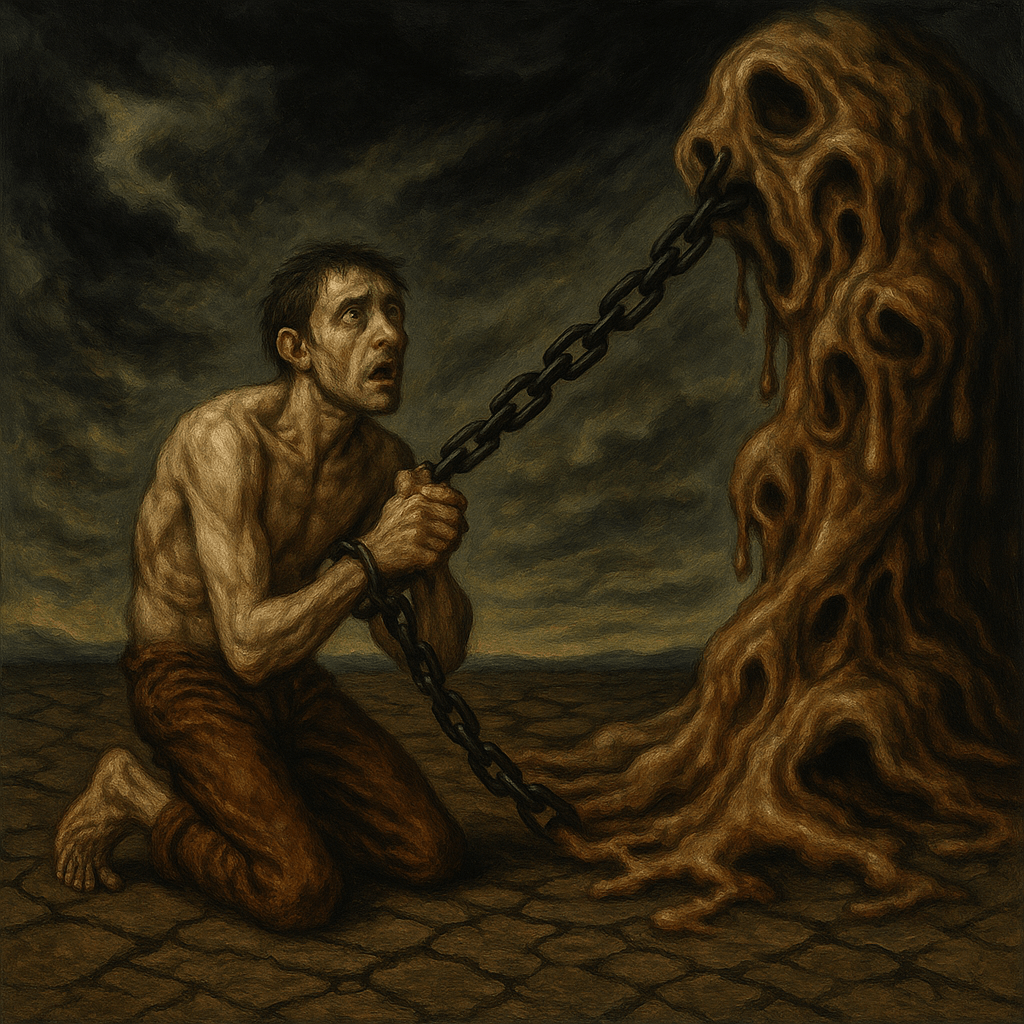
To begin understanding the freedom of the Gospel, it’s essential to first examine the concept of slavery to sin. In Romans 6:16, Paul lays out the reality of human bondage to sin: “Do you not know that to whom you present yourselves slaves to obey, you are that one’s slave whom you obey, whether of sin leading to death, or of obedience leading to righteousness?” The concept of slavery is not just a metaphor for Paul; it’s a deep, spiritual reality. Before coming to Christ, all people are bound by sin, unable to break free from its grasp. This is not a matter of making isolated bad decisions but is part of humanity’s fallen nature, inherited from Adam. The will, apart from God’s grace, is corrupted, leading humans to continually choose sin.
We describe this through the doctrine of original sin, which teaches “that since the fall of Adam [Romans 5:12], all who are naturally born are born with sin [Psalm 51:5], that is, without the fear of God, without trust in God, and with the inclination to sin, called concupiscence. Concupiscence is a disease and original vice that is truly sin. It damns and brings eternal death on those who are not born anew through Baptism and the Holy Spirit [John 3:5]” (AC II, 1-2). This state is not merely a choice made by individual sinners but a condition of the human heart and mind.
In his treatise, On the Bondage of the Will, Luther argues the human will, apart from the intervention of God’s grace, is in bondage to sin. This means that, left to their own devices, humans cannot choose God or righteousness. They are, by nature, slaves to sin and subject to its power. This is why the Scriptures declare that apart from Christ, people are dead in their trespasses and sins (Ephesians 2:1). As Jesus Himself says, “without Me you can do nothing” (John 15:5). In essence, to be enslaved to sin is to be bound to a life of death, unable to escape its power through human effort.
The tragedy of slavery to sin is that it does not just lead to spiritual death but to eternal separation from God. Sin, as described in Scripture, is not just the commission of immoral acts but the natural rejection of God’s sovereignty. As Paul writes in Romans 6:23a, “For the wages of sin is death.” This death is not merely physical death but eternal separation from the life-giving presence of God—eternal death. The enslaved person is under the dominion of sin, and apart from Christ, there’s no escape from this power. This is why the need for Christ’s intervention is so urgent. Without His grace, humanity remains in the chains of sin, with no hope of freedom on their own.
Freedom in the Gospel: Liberation from Sin and Death

The freedom offered in the Gospel is not simply an absence of sin’s power but the positive gift of new life in Christ (Romans 6:23b). In Galatians 5:1, Paul declares, “Stand fast therefore in the liberty by which Christ has made us free, and do not be entangled again with a yoke of bondage.” This freedom is a liberation from the curse of the Law and the dominion of sin. Hence his words elsewhere, “For sin shall not have dominion over you, for you are not under law but under grace” (Romans 6:14). Christ’s work on the cross has defeated sin, death, and the power of the devil; and in Christ, believers are set free from their former taskmaster. This freedom is not earned by the believer but is a gift from God, given through the person and work of Jesus Christ (Ephesians 2:8-9).
As Lutherans, we understand this freedom in light of the doctrine of justification by faith: “that people cannot be justified before God by their own strength, merits, or works. People are freely justified for Christ’s sake, through faith, when they believe that they are received into favor and that their sins are forgiven for Christ’s sake. By His death, Christ made satisfaction for our sins. God counts this faith for righteousness in His sight (Romans 3 and 4 [3:21-26; 4:5])” (AC IV).
Through Christ’s atoning sacrifice, the believer is declared righteous in God’s sight, not by their works but by faith in the finished work of Christ. As Paul writes in Romans 8:1, “There is therefore now no condemnation to those who are in Christ Jesus.” The believer is freed from the condemnation of sin, no longer subject to its penalty. This freedom is not a freedom to live according to the flesh or to indulge in sinful desires but a freedom to live according to God’s will, empowered by the Holy Spirit.
The freedom of the Gospel also means freedom from fear and guilt. Prior to coming to Christ, sinners live in the shadow of original sin’s guilt and the fear of God’s judgement. But in Christ, this fear is cast out—the power of the devil is exorcised. The Gospel does not just inform us of God’s forgiveness; it is the means by which God actually delivers forgiveness and freedom from guilt. As Luther is known for saying, “Justification by faith is the article on which the Church stands or falls.” If any church strays from this doctrine, it risks compromising the core of the Gospel and the very essence of Christianity. The Church’s truth and spiritual integrity depend entirely on its faithfulness to this doctrine. Without it, the Church loses its foundation and its ability to proclaim the true Gospel.
Being a Slave to Righteousness: A New Master
The apparent contradiction of being both slave and free is resolved when we understand that, in Christ, the believer is freed from sin only to become a slave to righteousness. In Romans 6:18, Paul writes, “And having been set free from sin, you became slaves of righteousness.” This is not a return to bondage but a new relationship with God. While the believer is free from the power of sin, they’re now under the authority of God and His righteousness. This is a joyful slavery, one in which the believer willingly serves God and lives according to His will, not out of fear of punishment but out of gratitude for what Christ has done.
This new servitude to righteousness is not burdensome but liberating. Christ’s yoke is easy, and His burden is light (Matthew 11:30). The Christian does not live under the harsh demands of the Law any longer but is now empowered by the Holy Spirit to live according to God’s will, freely and joyfully. This new relationship with God, characterized by a willing obedience to righteousness, is a life of true freedom. The Christian is not free to live as they please (for that would still be bondage to sin); they are now free to live as God desires, which is their highest good. This freedom to live according to God’s commands is not a restriction but a liberation from the chaos and destruction that comes from living outside of God’s will.
This transformation into a servant of righteousness is the fruit of the believer’s union with Christ. As Paul writes in Romans 6:22, “But now having been set free from sin, and having becomes slaves of God, you have your fruit to holiness, and the end, everlasting life.” The freedom of the Gospel does not lead to licentiousness but to a life of holiness, where the believer’s desires are increasingly aligned with God’s will. This is not perfection in this life but the direction of the sanctified life—a life that is progressively transformed into the likeness of Christ, enabled by the Holy Spirit. Slavery to sin ends in death; slavery to righteousness ends in eternal life (cf. John 11:25).
Living as Free Slaves
Living as both slave and free in Christ has profound implications for the Christian life. It means living in the freedom to serve God and others, not out of obligation but out of love and gratitude for what Christ has done. This freedom is not merely theoretical or abstract but is deeply practical. It’s reflected in the way Christians live out their vocations in the world: in their families, workplaces, communities, and churches. The freedom to live according to God’s will brings with it a joyful responsibility to love and serve others in Jesus’ name.
For example, a Christian in the workplace does not serve others to gain their favor or to advance their own interests but serves out of a sense of gratitude to God for the gifts He has given. In the family, a Christian does not love and serve their loved ones merely because it’s their duty but because they’ve been freed to love in Christ. This is the practical outworking of being a slave to righteousness: living in freedom to love and serve, guided by the fruit of the Spirit (Galatians 5:22-23).
This paradox also helps believers understand the role of suffering in the Christian life. To be a free slave in Christ does not mean avoiding suffering or difficulty but finding meaning and purpose in them. See my article, Rejoicing in Tribulation?, for more on what this means. In essence, Christians can endure suffering because they know it’s part of the process by which God shapes them into the image of His Son. In this way, even suffering becomes an opportunity to live out the freedom of the Gospel, trusting God is using all things for their good (Romans 8:28).
 The Lutheran Column